Love is Destructive
lessons in transformation from plant medicine
The more conscious we become, the more peace we want to create.
So what happens to our internal conflict during this process? To the stories we tell about ourselves that cause more harm than good? What happens to our illusions as we approach love more and more intentionally? What happens to our fear? Our deep, secreted self-loathing?
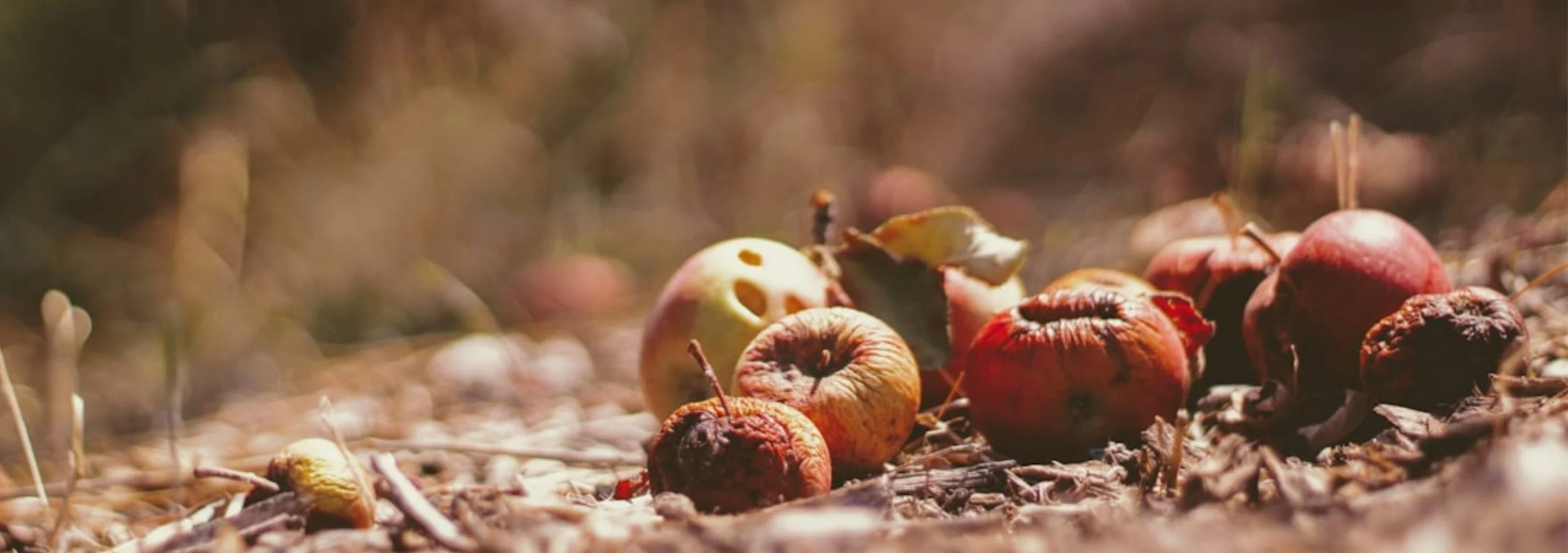
What happens to a dead thing left upon the soil?

It rots.
The tissues deteriorate, breaking down into the molecules that will nourish the forest floor. It returns to the ecosystem to birth into something else, be it rock, animal, atmosphere, plant, or sea.
Love destroys. We just don’t tend to think of it that way because we don’t value what it is that love destroys.
I once asked the medicine to teach me about destruction. If everything in creation is connected to the same sacred source, that must include the “bad” or painful things, like loss, grief, greed, and destruction. Sometimes I feel destructive. If I am sacred, does that make my urge to destroy sacred?
And the medicine answered with a wall of love, much bigger than the tallest mountain range, moving like a tidal wave, so great and overpowering that I wept. I did not feel brave. I was frozen with the simultaneous feelings of both imminent death and euphoria. It roared and the sound was so loud that the vibration could break you down into your constituent parts if you got too close.
It would rot you.
Grief is like this. The pain we experience when we lose someone we love, through estrangement or death, is love destroying us. We don’t die, but deep grief is an initiatory, transformative passage into something new. Much of our identity - who we thought we were or would be, and how we believed the world to work - will break down into their constituent parts, get fed back to the system, and then take another shape. Then we’re born into a new phase of life: we transform. We can choose to actively participate in this process of reshaping, or we can choose not to; it will happen to us either way.
Grief isn’t just about death, either. Loss is so much more layered and complex than just physical death. In the US, we have this weird thing with grieving and death, like they’re avoidable things or personal flaws, and it’s making us all unwell. We’re not learning how to grieve, how to transform our sorrow into strength like some kind of magic. It’s getting stuck in us, replaying over and over because we don’t know what it’s like to have permission to be fully who we are, to feel fully who we are.
We’ve completely lost track of the sacred nature of destruction woven into the fabric of reality, and therefore no longer have the traditions to feed, soothe, and corral the spirits of destruction. We have made ourselves weak with our ingrained resistance to loving ourselves, and the spirits of destruction wreak havoc around us.
The perceived disconnection from self and social group that allows a child to enter a school and rapid-fire murder other students is what we have created in America. We’ve spent most of our country’s short life causing harm and destruction and then labeling it “freedom” and “liberty.” The waves of wars and political interfering that the US is known for could only ever come back to us in the ugliest of ways. The people at the top don’t know how to respect the spirits of destruction that they call in, and are possessed by them instead.
And what is needed? Love. It is a simple answer but one that many have spent centuries suppressing and molding into their ugly shapes of domination, conquest, greed and disempowerment, of misogyny, of genocide and a hierarchy of humans. Western civilization is built upon these foundations, chewing through lineage after lineage of animal and plant and landscape for more power, more resources, more, more, more. The spirit of destruction is hungry.
And all things are destroyed - transformed - in the end.
We get to decide what is created afterwards.